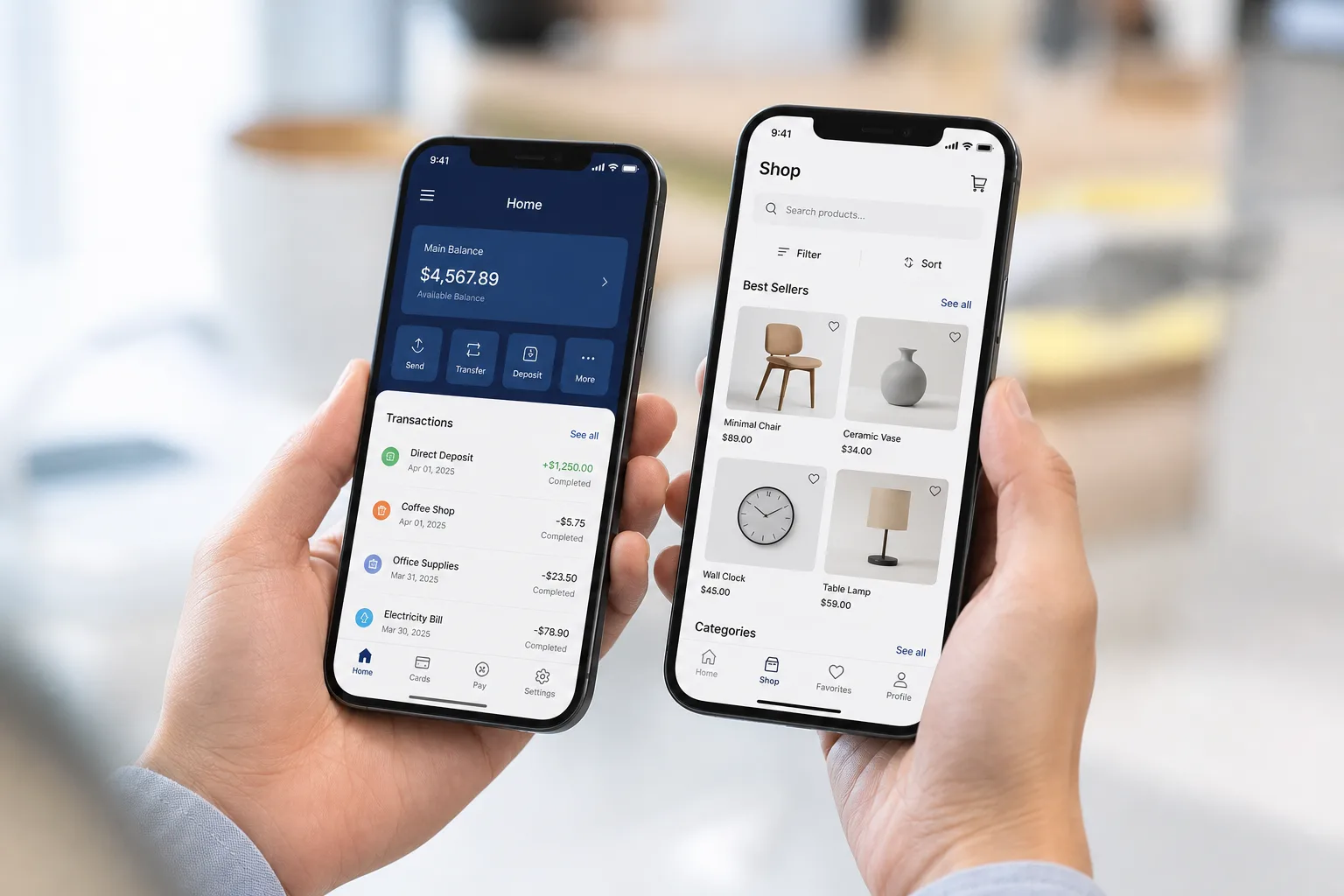

Web applications have become an essential part of modern businesses, helping organizations streamline operations, improve customer experiences, and expand their digital presence. Whether you're launching a startup, digitizing internal workflows, or building an enterprise platform, investing in a custom web application can significantly improve efficiency and long-term business growth.
In South Africa, businesses across industries—including retail, healthcare, finance, logistics, education, and real estate—are increasingly adopting web applications to stay competitive in an evolving digital economy. From customer portals and SaaS platforms to online marketplaces and business management systems, custom web applications provide flexibility, scalability, and enhanced security compared to off-the-shelf software.
One of the most common questions businesses ask is: How much does web app development cost in South Africa?
The answer depends on several factors, including application complexity, features, design requirements, technology stack, integrations, and development timeline.
In this comprehensive guide, we'll explore everything you need to know about web app development costs in South Africa, including pricing estimates, cost factors, technologies, timelines, and practical tips to help you plan your project effectively.
- Most South African web app projects cost R50,000–R1,500,000+ depending on complexity.
- Basic portals and booking tools sit at the lower end; enterprise and AI builds cost more.
- Timelines typically range from 2–12 months.
- Features, integrations, UI/UX, and security are the biggest cost drivers.
- Budget for hosting, APIs, SSL, and ongoing maintenance beyond launch.

What is a Web Application?
A web application is software that runs through a web browser, allowing users to access its features without downloading or installing it on their devices. Unlike traditional desktop software, web applications are hosted on remote servers and can be accessed from anywhere with an internet connection.
Examples include:
- Customer Relationship Management (CRM) Systems
- Enterprise Resource Planning (ERP) Software
- eCommerce Platforms
- Learning Management Systems (LMS)
- Online Booking Platforms
- Healthcare Portals
- Banking & FinTech Applications
- Project Management Tools
- SaaS Platforms
- Inventory Management Systems
Why Businesses in South Africa Invest in Web Applications
Businesses are increasingly investing in custom web applications to improve productivity, automate operations, and enhance customer engagement.
Key Benefits
- Accessible from any device with a browser
- Improves business efficiency
- Automates repetitive tasks
- Reduces operational costs
- Supports remote work
- Easy integration with third-party systems
- Highly scalable
- Enhanced security
- Better customer experience
- Long-term return on investment
Average Web App Development Cost in South Africa
The cost of web app development varies based on project scope, design complexity, functionality, integrations, and technology stack.
| Project Type | Estimated Cost (ZAR) | Approx. USD |
|---|---|---|
| Basic Web Application | R50,000 – R200,000 | $3,000 – $12,000 |
| Medium Complexity Web App | R200,000 – R600,000 | $12,000 – $40,000 |
| Enterprise Web Application | R600,000 – R1,200,000 | $40,000 – $80,000 |
| AI-Powered Web Application | R1,200,000 – R1,500,000+ | $80,000 – $100,000+ |
Estimated Overall Cost: Most custom web app development projects in South Africa range from R50,000 to R1,500,000+ (approximately $3,000–$100,000+), depending on the application's complexity, required features, and business objectives.
If you're comparing options across digital products, also review our guides on custom software development cost and eCommerce app development cost in South Africa.
Web App Development Cost Based on Complexity
Basic Web Application (R50,000 – R200,000)
Suitable for startups and small businesses.
Typical features include:
- User Registration & Login
- Admin Dashboard
- Contact Forms
- Basic Database
- Responsive Design
- User Profiles
- Email Notifications
- Basic Reports
Examples:
- Business Portal
- Appointment Booking System
- Company Dashboard
- Internal Management Tool
Medium Complexity Web Application (R200,000 – R600,000)
Designed for growing businesses that require more advanced functionality.
Features include:
- Multiple User Roles
- Payment Gateway Integration
- API Integrations
- Analytics Dashboard
- Advanced Search
- Real-Time Notifications
- CRM Features
- Inventory Management
Examples:
- Healthcare Portal
- eCommerce Website
- School Management System
- Logistics Dashboard
- HR Management Software
Enterprise Web Application (R600,000 – R1,200,000)
Built for large organizations with complex workflows and enterprise integrations.
Features include:
- Multi-Tenant Architecture
- Enterprise Security
- ERP Integration
- Advanced Reporting
- Workflow Automation
- Cloud Deployment
- Business Intelligence
- High Scalability
Examples:
- Enterprise ERP
- Banking Platform
- Supply Chain Management
- Enterprise CRM
- SaaS Products
AI-Powered Web Application (R1,200,000 – R1,500,000+)
These applications leverage Artificial Intelligence and automation to provide intelligent business solutions.
Features include:
- AI Chatbots
- Machine Learning Models
- Predictive Analytics
- Recommendation Engines
- OCR & Document Processing
- Voice Recognition
- AI Automation
- Intelligent Reporting
Examples:
- AI Customer Support Platforms
- AI Healthcare Systems
- Fraud Detection Solutions
- AI Recruitment Platforms
- Business Intelligence Applications
Factors Affecting Web App Development Cost
Several factors influence the final cost of developing a web application.
1. Project Complexity
The more complex the application, the higher the development effort and cost.
2. UI/UX Design
Custom user interfaces, interactive dashboards, and responsive experiences require additional design resources.
3. Features & Functionalities
Advanced features such as payment processing, chat, analytics, AI, or automation increase development costs.
4. Third-Party Integrations
Integrating payment gateways, CRMs, ERPs, maps, messaging services, or cloud APIs requires additional development effort.
5. Technology Stack
The choice of frontend, backend, database, cloud infrastructure, and DevOps tools impacts both development time and cost.
6. Security Requirements
Applications handling sensitive business or customer data require stronger authentication, encryption, compliance measures, and security testing.
7. Development Team
The experience and size of the development team also influence project pricing.
8. Maintenance & Future Updates
Ongoing maintenance, feature enhancements, bug fixes, cloud monitoring, and security updates should be considered as part of the total investment.
Best Technologies for Web App Development
Selecting the right technology stack is essential for building a secure, scalable, and high-performance web application. Modern web applications in South Africa are developed using cloud-native technologies that support rapid development, seamless integrations, and future scalability.
Frontend Technologies
- React.js
- Angular
- Vue.js
- Next.js
Backend Technologies
- Node.js
- Python
- Java
- .NET
- PHP (Laravel)
Databases
- PostgreSQL
- MySQL
- MongoDB
- Microsoft SQL Server
- Firebase
Cloud Platforms
- Amazon Web Services (AWS)
- Microsoft Azure
- Google Cloud Platform (GCP)
DevOps & Deployment
- Docker
- Kubernetes
- Jenkins
- GitHub Actions
- GitLab CI/CD
Emerging Technologies
- Artificial Intelligence (AI)
- Machine Learning (ML)
- Generative AI
- Internet of Things (IoT)
- Blockchain
- Progressive Web Apps (PWA)
Web App Development Timeline
The development timeline depends on the application's size, functionality, integrations, and business requirements.
| Project Type | Estimated Timeline |
|---|---|
| Basic Web Application | 2–3 Months |
| Medium Complexity Web App | 3–6 Months |
| Enterprise Web Application | 6–10 Months |
| AI-Powered Web Application | 8–12 Months |
Factors Affecting the Timeline
- Project scope
- Number of modules
- UI/UX complexity
- API integrations
- Third-party services
- Security requirements
- Testing and quality assurance
- Client feedback and revisions
Hidden Costs to Consider
When budgeting for a web application, it's important to account for costs beyond initial development.
Domain Registration
Annual cost for securing your website domain.
Web Hosting & Cloud Infrastructure
Ongoing expenses for servers, storage, databases, and cloud services.
SSL Certificate
Required to secure user data and build customer trust.
Third-Party APIs
Costs for payment gateways, SMS, maps, analytics, email services, and other integrations.
Maintenance & Support
Regular updates, bug fixes, performance optimization, and security patches.
Scaling Infrastructure
Additional costs as user traffic, data storage, and feature requirements grow.
Latest Web App Development Trends in South Africa
Businesses are embracing modern technologies to build faster, smarter, and more secure web applications.
AI-Powered Web Applications
Artificial Intelligence is being integrated into customer support, automation, analytics, and personalized user experiences.
Progressive Web Apps (PWAs)
PWAs combine the best features of websites and mobile apps, offering offline access, push notifications, and faster performance.
Cloud-Native Development
Cloud-based applications provide improved scalability, reliability, and cost efficiency.
Low-Code & No-Code Platforms
Organizations are using low-code solutions for rapid internal application development and workflow automation.
Cybersecurity-First Development
Security is integrated into every development stage through DevSecOps, multi-factor authentication, encryption, and secure coding practices.
API-First Architecture
Modern applications rely on API-first development to simplify integrations with payment gateways, CRMs, ERPs, and third-party business tools.
Real-Time Applications
Businesses are increasingly implementing live chat, notifications, collaboration tools, and real-time dashboards to enhance user engagement.
How to Reduce Web App Development Costs
A strategic approach can help businesses reduce development costs while maintaining quality.
Start with an MVP
Launch a Minimum Viable Product (MVP) focusing on essential features, then expand based on user feedback.
Prioritize Features
Develop core functionalities first and schedule advanced features for future updates.
Choose the Right Technology Stack
Selecting proven technologies reduces development time and long-term maintenance costs.
Use Agile Development
Agile methodologies improve collaboration, reduce risks, and accelerate delivery.
Partner with an Experienced Development Company
An experienced team minimizes costly mistakes and ensures efficient project execution. Working with a trusted web app development company in South Africa can help you scope features realistically and avoid unnecessary spend.
Why Choose Techanic Infotech for Web App Development?
Techanic Infotech is a leading web application development company delivering secure, scalable, and custom web solutions for startups, SMEs, and enterprises worldwide. From business portals to enterprise platforms and AI-powered web applications, the company develops high-performance solutions tailored to unique business needs.
Why Businesses Choose Techanic Infotech
- 6+ Years of Industry Experience
- 500+ Successfully Delivered Projects
- Custom Web Application Development
- Enterprise Software Development
- AI-Powered Web Solutions
- SaaS Product Development Expertise
- Modern UI/UX Design
- Cloud-Native Architecture
- Agile Development Methodology
- Dedicated Development Teams
- Transparent Communication
- End-to-End Development & Ongoing Support
Whether you need a customer portal, CRM, ERP, SaaS platform, marketplace, healthcare solution, fintech application, or enterprise management system, Techanic Infotech delivers future-ready web applications designed for performance, security, and scalability.
Conclusion
Custom web applications have become an essential investment for businesses across South Africa looking to improve efficiency, automate operations, and deliver exceptional digital experiences. While development costs typically range from R50,000 to R1,500,000+, the final investment depends on your application's complexity, features, technology stack, and long-term business objectives.
By partnering with an experienced web app development company, businesses can build secure, scalable, and future-ready applications that support sustainable growth. Whether you're developing a customer portal, SaaS platform, enterprise system, or AI-powered web application, investing in a tailored solution will help your business stay competitive in South Africa's rapidly evolving digital landscape.
Frequently Asked Questions (FAQs)
1. How much does web app development cost in South Africa?
Most custom web application projects cost between R50,000 and R1,500,000+ ($3,000–$100,000+), depending on complexity and required features.
2. How long does it take to develop a web application?
Development typically takes 2 to 12 months, depending on project scope and complexity.
3. What factors affect web app development costs?
Key factors include features, UI/UX design, technology stack, integrations, security requirements, development team, and maintenance.
4. Which industries benefit from web applications?
Retail, healthcare, finance, logistics, education, manufacturing, real estate, and professional services all benefit from custom web applications.
5. What technologies are commonly used for web app development?
Popular technologies include React, Angular, Vue.js, Node.js, Python, Java, Laravel, AWS, Azure, and Google Cloud.
6. Is a web application better than a website?
A web application offers interactive functionality, user authentication, business workflows, and advanced features, while a website primarily provides information.
7. Can a web application integrate with existing business software?
Yes. Custom web applications can integrate with CRMs, ERPs, payment gateways, accounting software, cloud platforms, and third-party APIs.
8. Are custom web applications secure?
Yes. They can be built with enterprise-grade security, including encryption, multi-factor authentication, secure APIs, and compliance with data protection regulations.
9. What is the benefit of cloud-based web applications?
Cloud-based applications offer greater scalability, lower infrastructure costs, remote accessibility, and simplified maintenance.
10. Why should I hire a professional web app development company?
An experienced development company ensures high-quality architecture, faster delivery, scalable solutions, ongoing support, and a better return on investment.