0+
Successful Digital Projects
We bring experience across digital projects involving business applications, operational workflows, integrations, and data management.

We develop customised port and terminal management software that helps port operators, shipping companies, freight forwarders, cargo handlers, and logistics providers coordinate complex maritime operations. Our solutions support vessel scheduling, berth allocation, container tracking, cargo documentation, yard management, and terminal performance monitoring.
As a Port & Terminal Management Software Development Company in South Africa, we build applications around your operational workflows, existing systems, equipment, and business requirements. Our software can help teams improve information visibility, coordinate cargo movements, and manage port activities across Durban, Cape Town, Richards Bay, Ngqura, Saldanha Bay, and other South African logistics hubs.
Whether you need a terminal operating system, a cargo tracking platform, or software that connects port operations with transport and customs workflows, we plan the solution around your priorities and integration requirements.
We combine software engineering expertise with structured development practices to build digital solutions for port operations, cargo handling, terminal coordination, and maritime logistics.
We bring experience across digital projects involving business applications, operational workflows, integrations, and data management.
Our technology team supports application development, system integration, database design, testing, and cloud implementation.
We focus on clear communication, delivery planning, and ongoing collaboration to support lasting client relationships.
We apply our software development experience to business requirements, operational systems, and customised digital products.
We follow structured development, testing, and project coordination practices to support quality and consistency throughout delivery.
At Techanic Infotech SA, we develop port and terminal management software for port authorities, terminal operators, shipping companies, cargo handlers, freight forwarders, and maritime logistics providers. Our services focus on vessel coordination, cargo visibility, yard operations, equipment management, and information exchange between connected systems.
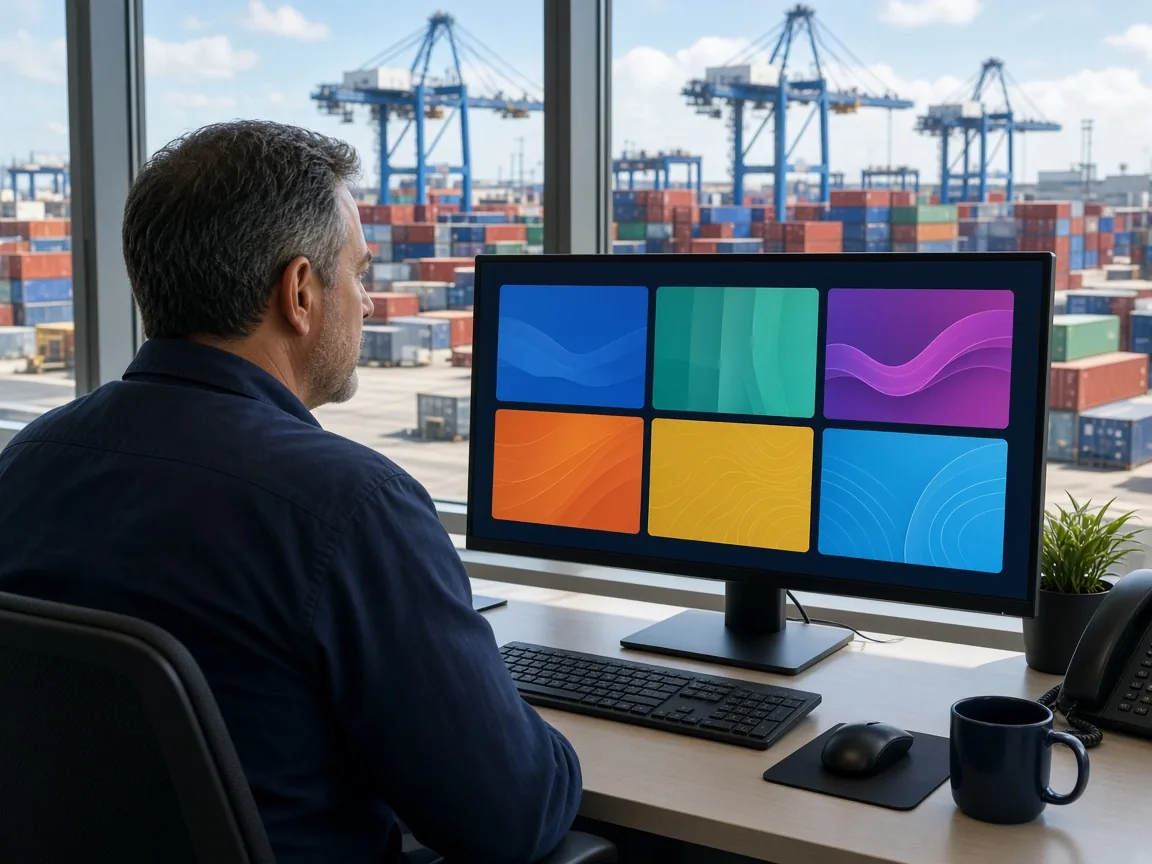
We build customised port management applications around vessel operations, cargo handling, berth scheduling, documentation, and administrative workflows. Our solutions centralise relevant operational information and help teams coordinate activities across departments.
At Techanic Infotech SA, we develop port and terminal management software for port authorities, terminal operators, shipping companies, cargo handlers, freight forwarders, and maritime logistics providers. Our services focus on vessel coordination, cargo visibility, yard operations, equipment management, and information exchange between connected systems.
We build customised port management applications around vessel operations, cargo handling, berth scheduling, documentation, and administrative workflows. Our solutions centralise relevant operational information and help teams coordinate activities across departments.
Port and terminal operations involve multiple stakeholders, connected systems, equipment, and time sensitive activities. We help define your software requirements, identify integration dependencies, prioritise essential features, and plan a development roadmap around your operational objectives.
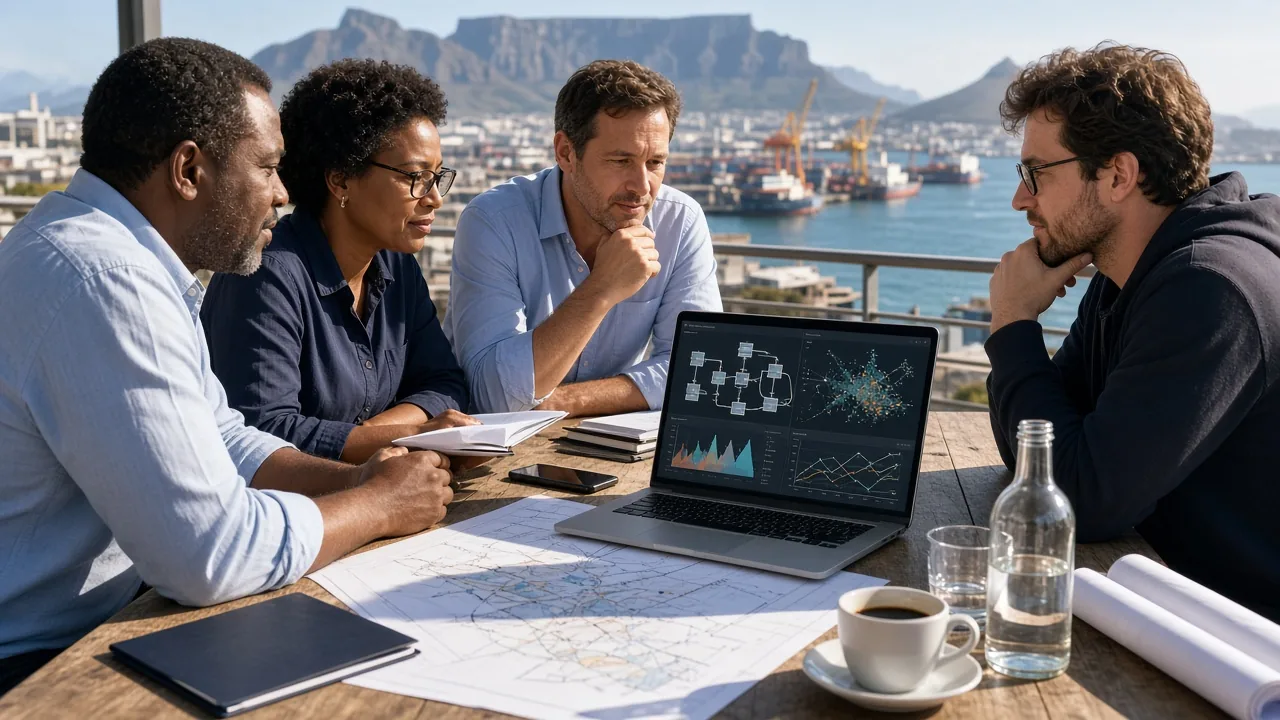
We develop digital solutions that help maritime businesses coordinate vessels, cargo, terminal resources, and inland logistics. Each solution is designed around the organisation’s operating model, infrastructure, data requirements, and existing technology environment.
We build platforms that bring together port activity records, vessel schedules, operational tasks, resource assignments, and reporting. Centralised information helps authorised teams coordinate daily activities and review operational status.
At Techanic Infotech SA, we consider data protection, access control, operational traceability, and system reliability when developing port and terminal management software. Security controls are tailored to the information handled, connected systems, and applicable regulatory requirements.
At Techanic Infotech SA, we consider data protection, access control, operational traceability, and system reliability when developing port and terminal management software. Security controls are tailored to the information handled, connected systems, and applicable regulatory requirements.
We consider South Africa’s Protection of Personal Information Act when designing applications that process driver details, employee information, customer records, and other personal data. Data handling controls are planned according to the organisation’s responsibilities.
We configure access permissions for port administrators, terminal operators, shipping agents, transport providers, and other authorised users. Role based access helps restrict sensitive operational information to relevant personnel.
We implement appropriate authentication mechanisms to protect operational dashboards, cargo records, vessel schedules, and administrative functions. Additional safeguards can be considered for privileged accounts and sensitive activities.
We plan controls to protect container information, cargo documentation, movement histories, and release records against unauthorised access or modification.
We assess authentication, authorisation, data validation, and error handling when integrating terminal operating systems with shipping platforms, customs related systems, transport applications, and external service providers.
We consider encryption for data in transit and suitable stored information, taking into account information sensitivity, application architecture, and identified security risks.
We can maintain records of relevant changes to cargo status, gate transactions, berth allocations, equipment assignments, and user activities. These records support operational reviews and incident investigations.
We plan backup and recovery arrangements according to business continuity requirements, data importance, and acceptable recovery targets. These measures help organisations prepare for data loss or service interruptions.
We assess hosting configurations, application permissions, software dependencies, and relevant vulnerabilities during development. Appropriate testing and remediation help reduce identified security risks.
We develop structured records for cargo handling, vessel operations, inspections, and terminal activities. Documentation requirements are determined by the organisation’s operating procedures and applicable maritime, customs, and other regulatory obligations.
We develop software models for different maritime and logistics workflows, adapting their functionality to terminal operations, stakeholder requirements, infrastructure, and existing systems.
Tap to view details
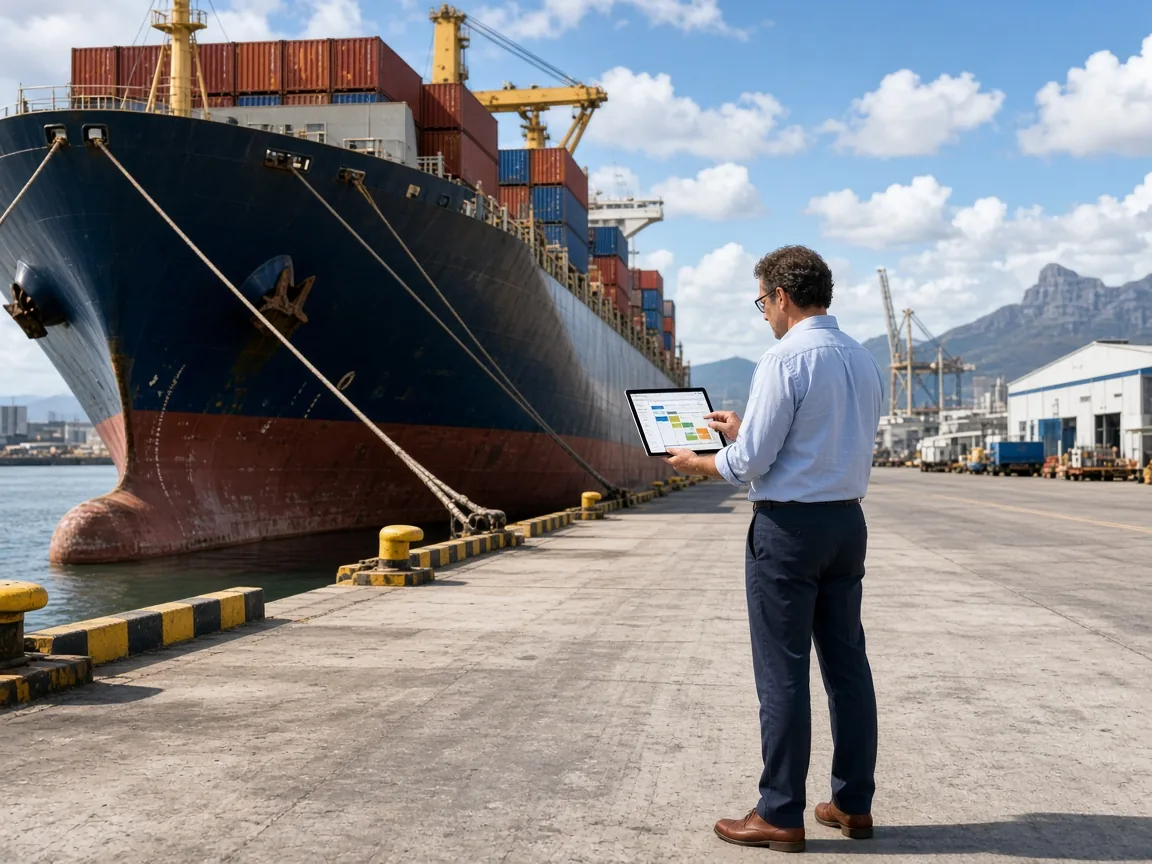
Tap to view details

Tap to view details

Tap to view details
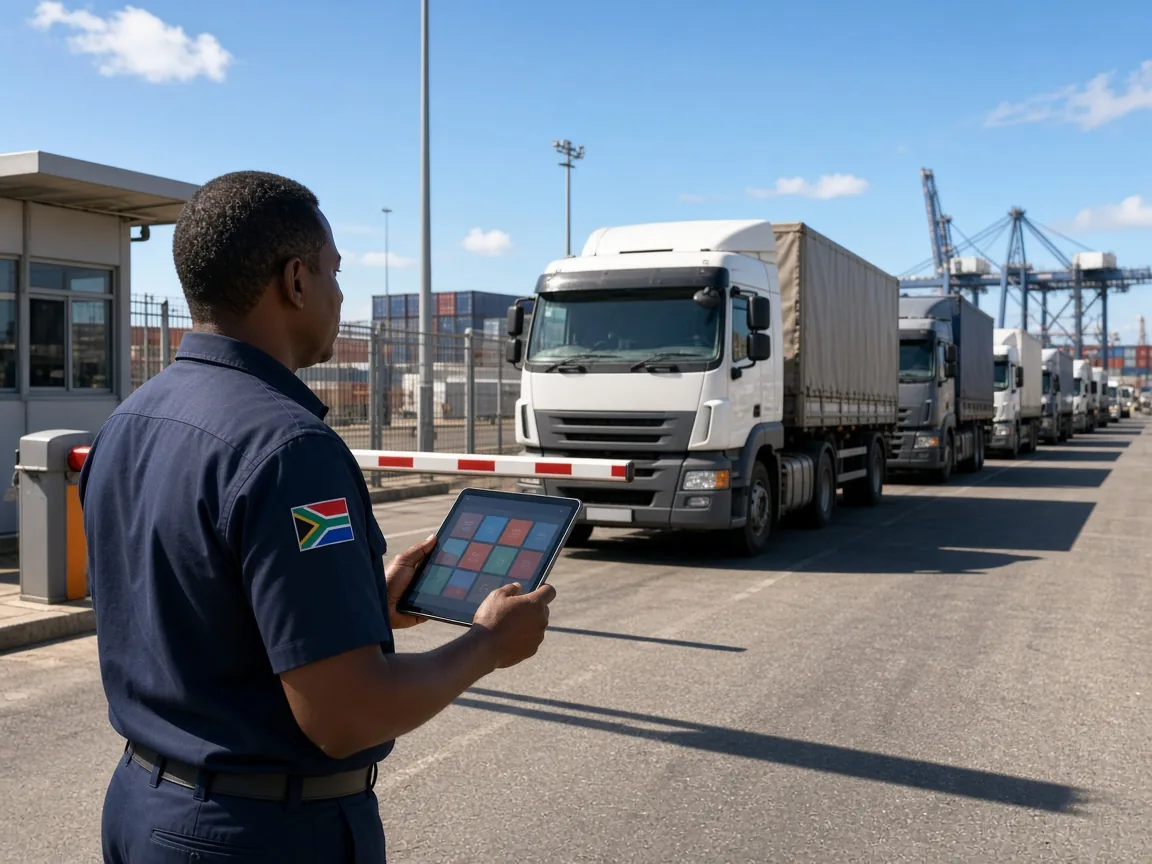
Tap to view details
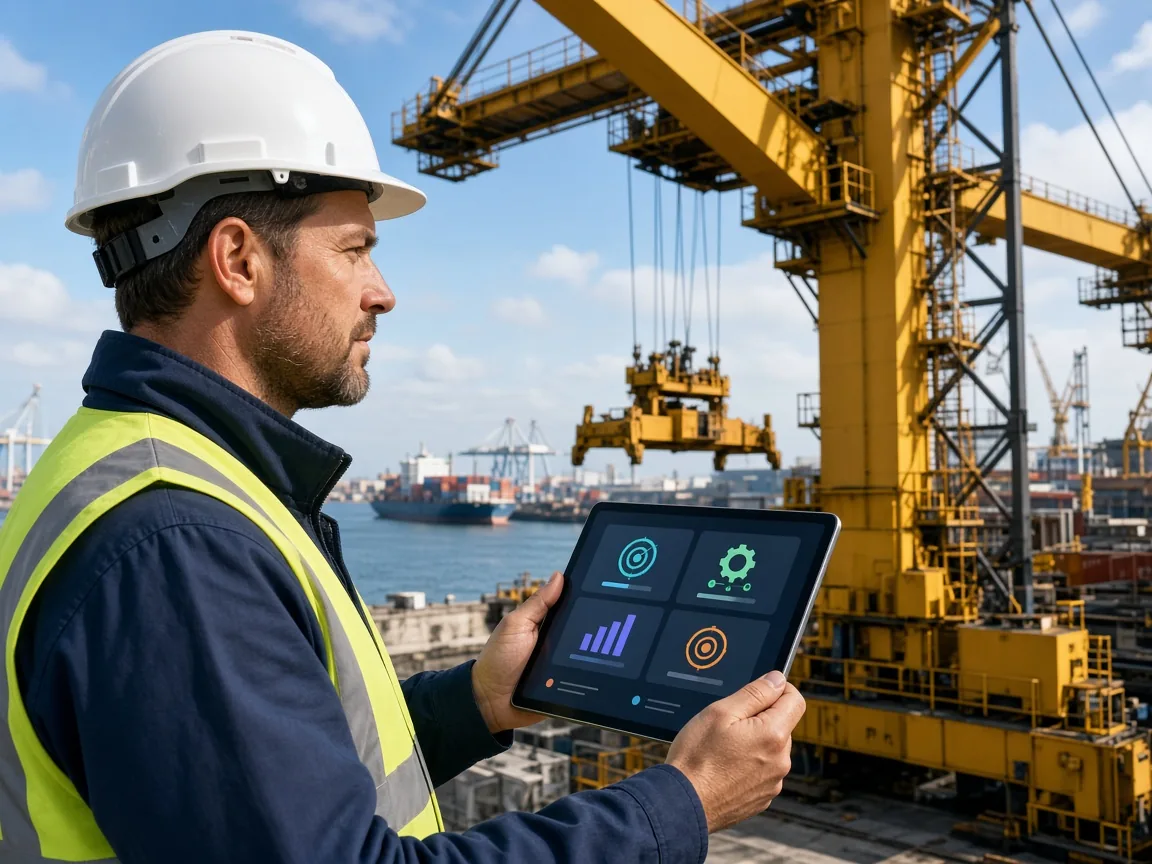
Tap to view details
These projects cover container terminal operations, vessel and berth planning, cargo tracking, truck appointments, and equipment maintenance at major South African ports.
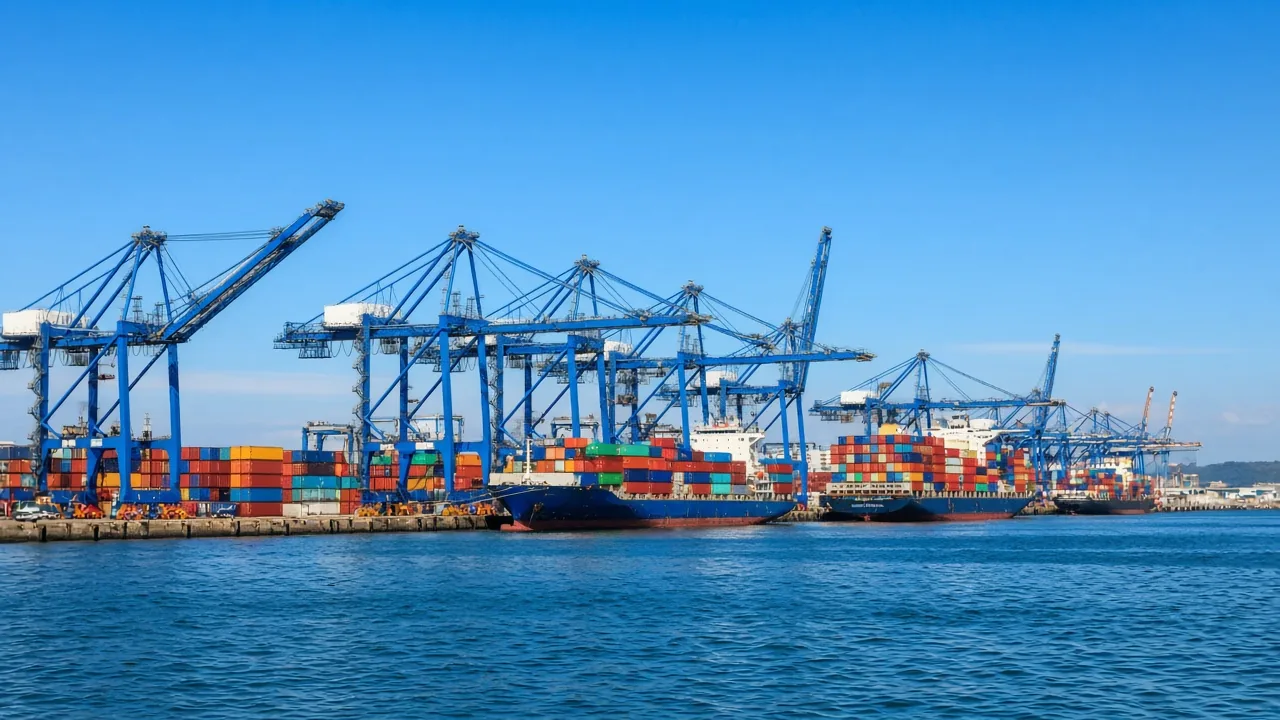
We developed a container terminal operations platform for managing container movements, yard locations, gate transactions, and handling records. The application brings key operational information into a centralised workflow, helping terminal teams coordinate container activities and review movement histories.
Swipe left or right to explore platforms
These projects cover container terminal operations, vessel and berth planning, cargo tracking, truck appointments, and equipment maintenance at major South African ports.
GlobalWe developed a container terminal operations platform for managing container movements, yard locations, gate transactions, and handling records. The application brings key operational information into a centralised workflow, helping terminal teams coordinate container activities and review movement histories.
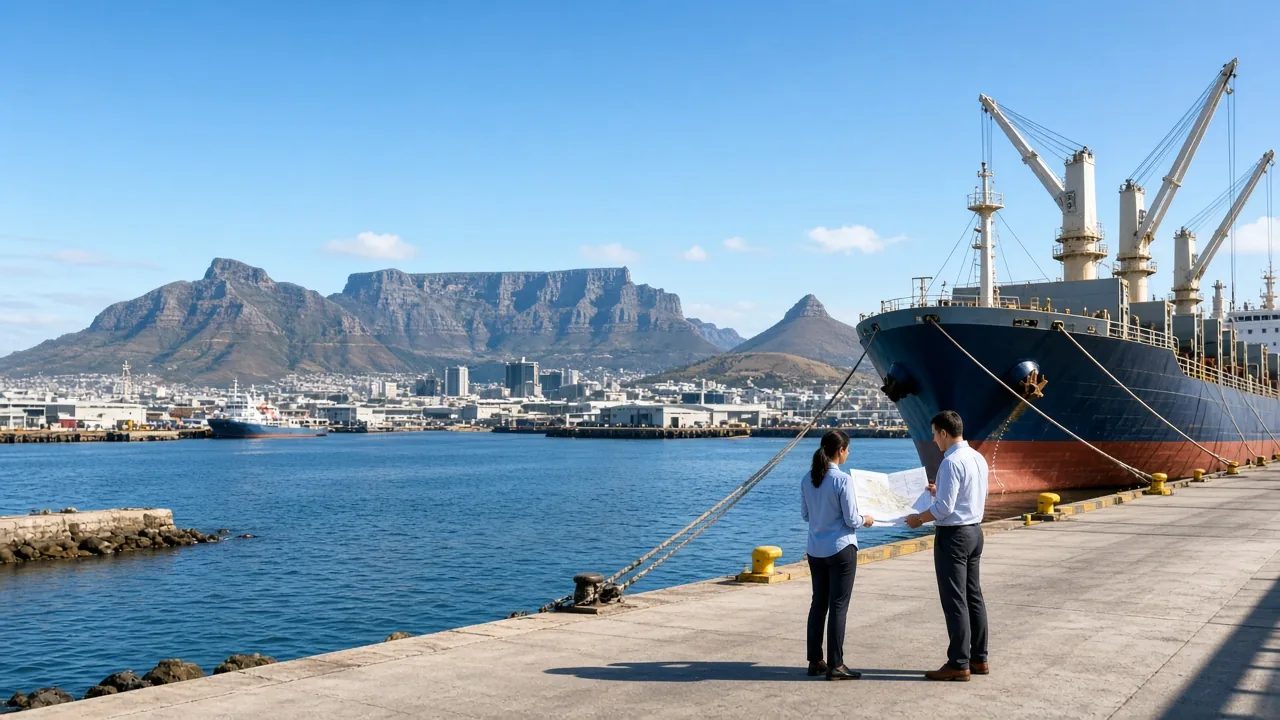 Global
We developed a vessel scheduling and berth planning system for organising arrival information, berth assignments, operational schedules, and departure records. The platform helps port personnel review planned vessel movements and coordinate activities around berth availability.
 Global
We developed a cargo tracking application that maintains shipment references, cargo status, handling milestones, and associated documentation. The system helps authorised users access cargo information and review progress across supported handling stages.
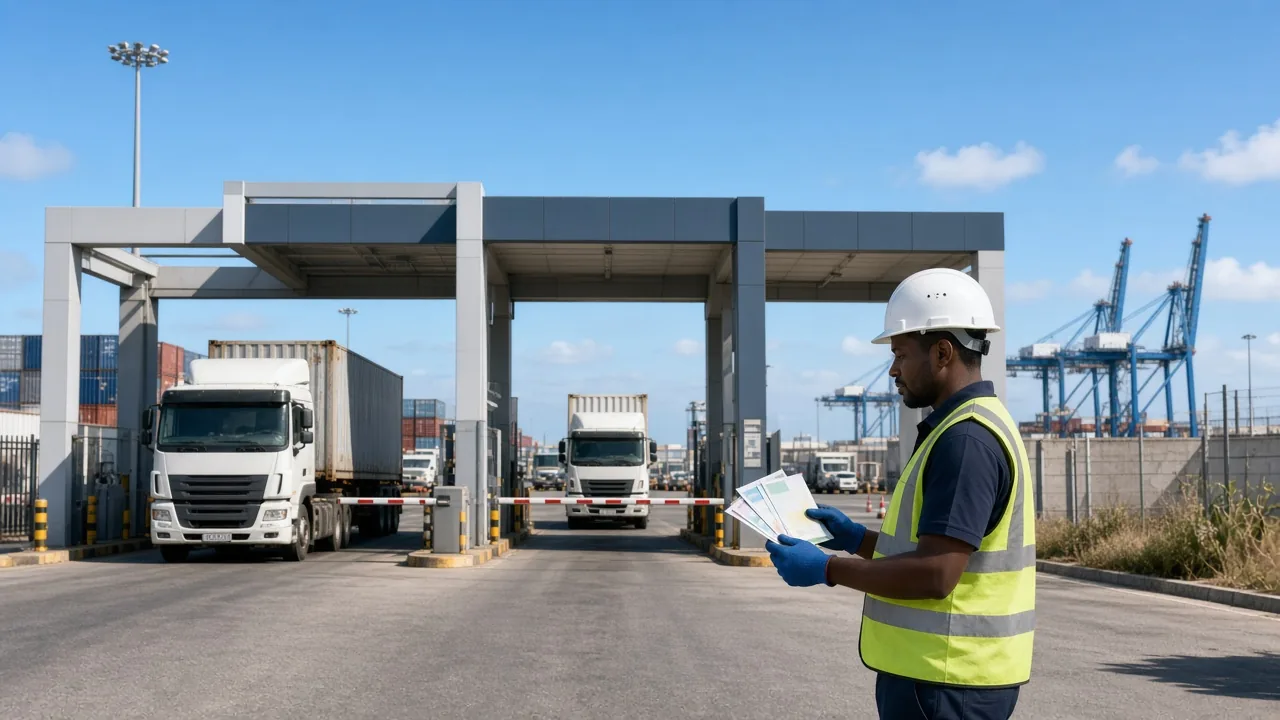 Global
We developed a truck appointment management platform for organising booking slots, vehicle information, arrival records, and cargo collection workflows. The application helps transport coordinators and terminal personnel manage scheduled vehicle movements through structured processes.
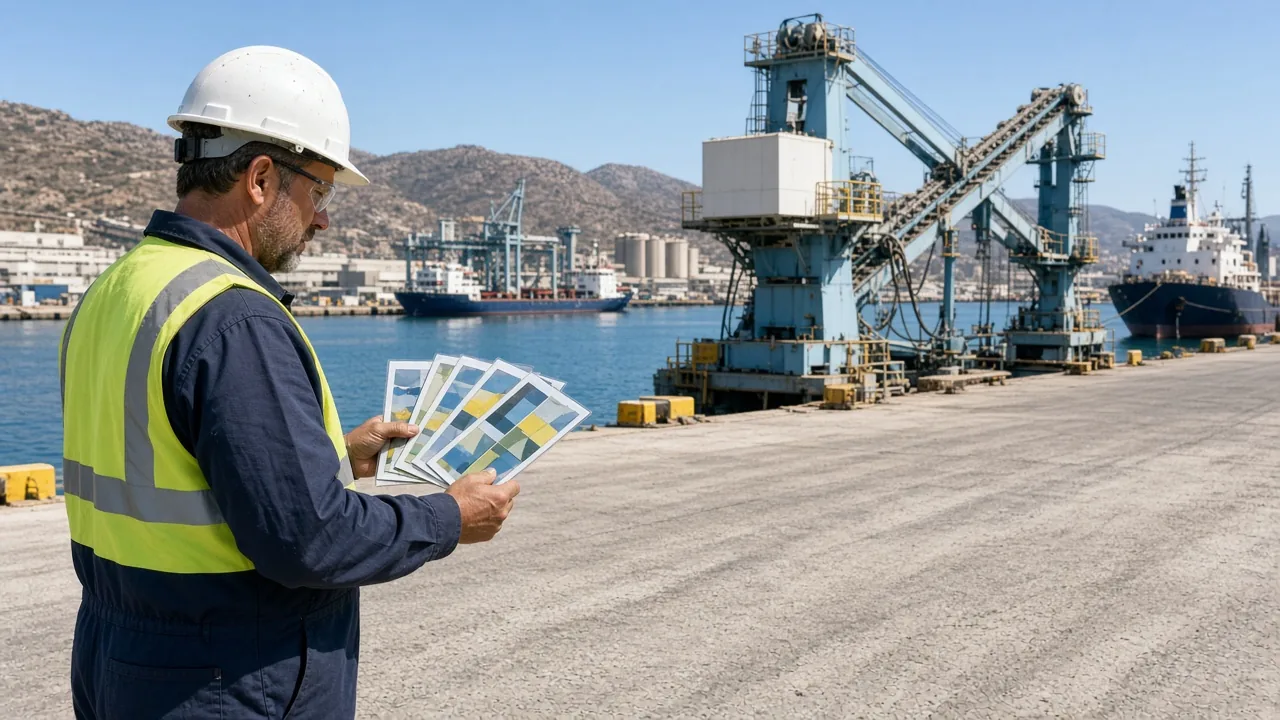 Global
We developed a port equipment maintenance system for maintaining asset registers, inspection schedules, maintenance tasks, and repair histories. The platform helps maintenance teams organise servicing activities and review equipment records when planning operational requirements.
Our port and terminal management software includes features designed to improve cargo visibility, vessel coordination, terminal productivity, and communication between operational teams.
Coordinate berths, container records, and yard space.
Organise truck arrivals, cargo files, and asset records.
Share updates and organise clearance-related records.
Review performance and keep an operational record.
Each feature is configured according to the terminal layout, cargo types, stakeholder roles, and systems already in use.
We follow a structured quality assurance process to assess application functionality, data consistency, integrations, performance, and security before deployment.
We test vessel scheduling, berth allocation, container movements, gate transactions, cargo documentation, and other agreed workflows against project requirements.
We evaluate connections with shipping platforms, terminal operating systems, transport applications, tracking services, and other supported external systems.
We check the processing and display of container identifiers, cargo records, vessel schedules, appointment details, and operational status updates to identify inconsistencies.
We assess application response times and behaviour under expected workloads, including concurrent users, cargo searches, operational dashboards, and reporting requests.
We review authentication, user permissions, access restrictions, data handling, and relevant application vulnerabilities before release.
We test supported mobile workflows for operational staff, including appointment updates, cargo status checks, inspection records, and equipment information.
We work with stakeholders to validate business workflows, review system behaviour, and confirm that the agreed functionality meets operational requirements.
We retest relevant features following software changes to help ensure that updates do not disrupt existing scheduling, cargo tracking, gate management, or reporting functionality.
As a Port & Terminal Management Software Development Company in South Africa, we help businesses plan customised applications for vessel scheduling, terminal operations, cargo tracking, gate management, and port logistics. Share your requirements with our team to discuss suitable features, integrations, delivery milestones, and budget.
What You Will Receive
We evaluate emerging technologies according to their operational value, implementation complexity, integration feasibility, and suitability for port environments.
IoT devices can provide information from connected equipment, sensors, and monitoring systems. Integrating available readings into port applications can improve equipment visibility and support operational monitoring.
AI can analyse available operational data to identify patterns in vessel delays, cargo movements, equipment usage, and terminal activity. The usefulness of these insights depends on data quality and appropriate model evaluation.
Predictive maintenance solutions can analyse equipment readings, service histories, and operating data to identify patterns associated with potential maintenance needs. Results depend on suitable data sources and ongoing validation.
Digital twin technology can represent selected physical assets, terminal layouts, or operational processes in a digital environment. Depending on data availability, these models can support scenario analysis and operational planning.
Cloud infrastructure can support application hosting, centralised information access, reporting, and system scalability. Hosting decisions should account for data protection, availability, integration dependencies, and recovery requirements.
GPS and telematics integrations can provide available vehicle location, journey progress, and fleet information. These capabilities can help coordinate truck movements and improve visibility across port logistics workflows.
Analytics tools can consolidate vessel schedules, cargo movements, gate transactions, yard activity, and equipment records. Reporting dashboards help managers review trends and identify areas for operational improvement.
Robotic process automation can help handle repetitive digital tasks such as transferring information between compatible systems, processing routine records, and generating standard reports. Automation should be designed around stable workflows and appropriate exception handling.
Techanic Infotech SA helps port authorities, terminal operators, shipping companies, freight forwarders, and maritime logistics providers build customised software solutions that improve cargo visibility, vessel coordination, terminal productivity, and operational control. Our portfolio showcases expertise in terminal operations, container tracking, berth planning, port community systems, and logistics management.
Published company reviews about delivery, communication, and timelines.
Techanic Infotech delivered a visually appealing and functional website that improved website traffic, online visibility, and lead generation. The team adhered to timelines, quickly responded to needs, and showcased organized project management. Their versatility impressed the client.
“The team adhered to timelines and responded quickly.”
As a Port & Terminal Management Software Development Company in South Africa, we develop customised applications for vessel scheduling, cargo handling, container tracking, terminal operations, and maritime logistics. Our approach focuses on operational requirements, integration feasibility, secure information handling, and long term software maintainability.
We select technologies according to your port operations, expected transaction volumes, integration requirements, security needs, and deployment preferences. Our technology stack supports maintainable applications for terminal operations, cargo tracking, vessel scheduling, and maritime logistics.
As a Port & Terminal Management Software Development Company in South Africa, we follow a structured process to translate port operations requirements into practical software features, reliable integrations, and maintainable digital systems.
Business requirement analysis covers terminal workflows, vessel scheduling, cargo handling procedures, gate operations, equipment needs, and reporting priorities. Technical feasibility assessment evaluates existing systems, available APIs, data sources, operational infrastructure, and integration dependencies. Project scope and roadmap then define the feature scope, delivery milestones, development priorities, resource requirements, and estimated budget.
Find answers about port software, development cost, timelines, terminal systems, vessel scheduling, and cargo tracking.
Browse by topic
4 questions · 12 total
Explore insights into maritime technology, terminal operations, and software capabilities that support port and logistics businesses.
 App Development
Explore the rise of super apps in South Africa, including business opportunities, essential features, local payment integrations, development costs, and monetization strategies.
Read More Fintech
Explore mobile banking in South Africa, including digital banking trends, customer adoption, payment innovations, security, and lessons for businesses building fintech solutions.
Read More Custom Software
Compare outsourced software development vs. in-house hiring in South Africa, including costs, risks, POPIA, hiring, and the best model for your business.
Read More