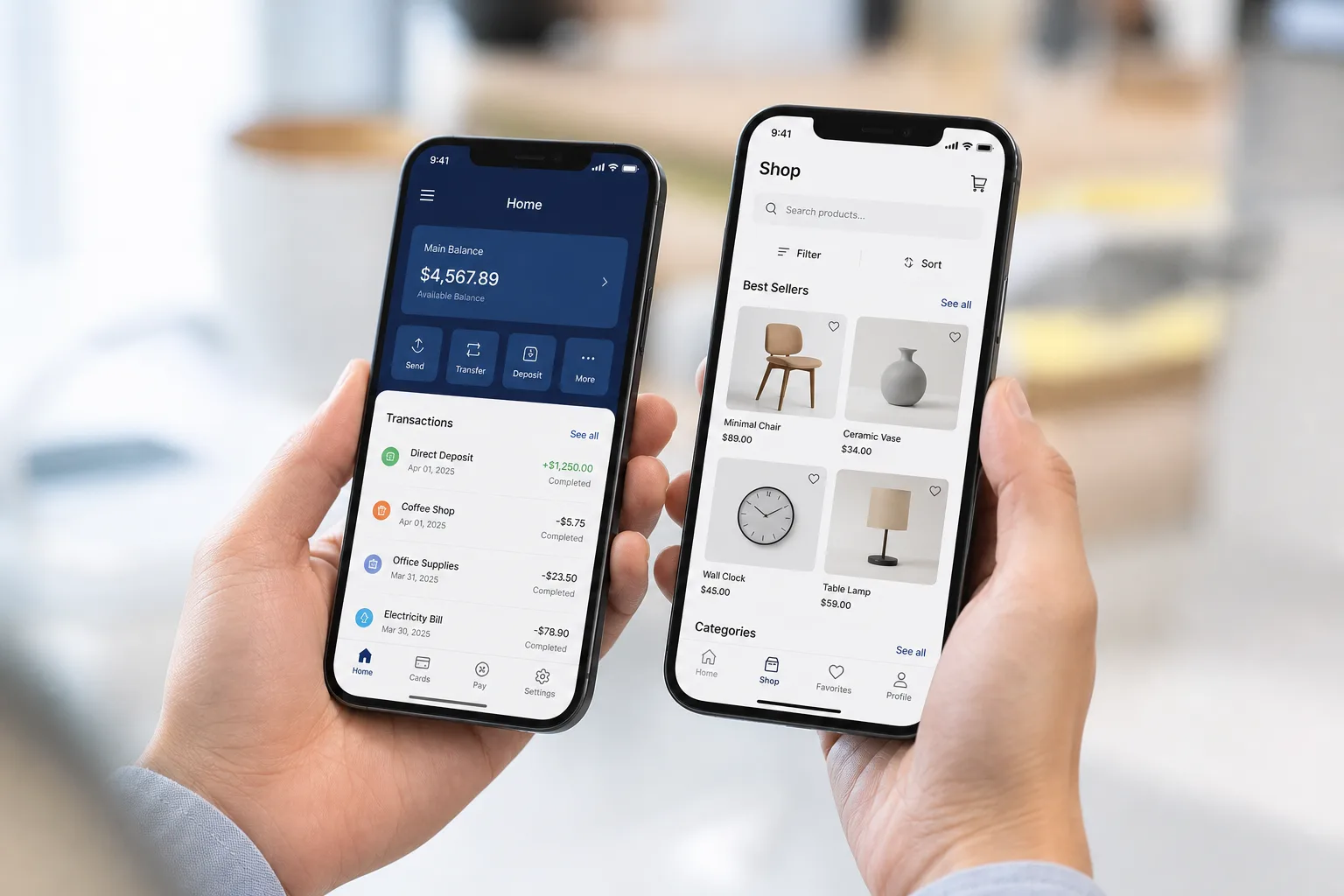

Ever paid a bill, ordered lunch and booked a ride using three different apps? Your phone fills up. Your patience runs out.
That is the pain behind the rise of super apps in South Africa. People want one place for daily tasks. Local businesses feel the pressure too, because building it all looks costly and risky.
The good news is simple. You can start small. In this blog, we cover what a Super App is, which businesses fit, key features, a roadmap, rules, costs, mistakes and how to scale.

What Is a Super App, and How Is It Different from a Regular Mobile App?
A Super App is one mobile platform that offers many services in one place. Users can shop, pay, book and chat without switching apps. One login and one account connect everything, which saves time.
South Africa’s super apps market earned USD 1,645.3 million in 2025. It is expected to reach USD 2,145.3 million in 2026 and USD 15,917.6 million by 2033.
The market is set to grow at a 33.2% CAGR from 2026 to 2033. iOS led the market in 2025, with a 78.03% revenue share. Android is expected to grow the fastest.
Here is how the three models compare.
| Feature | Regular app | Super App | Multi service platform |
|---|---|---|---|
| Main goal | Solve one problem | Offer many services in one place | List many services from different providers |
| User account | One account per app | One shared account | Often separate or partial accounts |
| Payments | Optional or limited | Built into many services | Usually built in, but not always shared |
| Partners | Few or none | Many partners inside one ecosystem | Many providers, less connected |
| Build effort | Lower | Highest | Medium to high |
Mobile access and digital adoption
Many South Africans reach the internet through phones. Stats SA tracks household internet access in its General Household Survey. ICASA reports on mobile connectivity and the ICT sector. The rise of super apps in South Africa grows from this digital access.
Digital payments and connected services
The SARB Payments Study looks at how people pay, including banking apps and other digital payments. It gives you local proof, not guesses. Strong payment habits make connected services easier to build.
The challenges businesses must account for
Access is not the same as demand. Plan for these risks first.
- Mobile data costs and weak network conditions can block daily use.
- Customers need trust, and payment security must feel safe from day one.
- Different customer groups have different levels of digital access.
- Existing apps and strong platforms already compete for attention.
Here is my view. Mobile access shows that the market is ready. It does not prove that customers will pay for your app.
Can Local Businesses Build Super App Platforms in South Africa?
Yes. After the rise of super apps in South Africa, many owners ask this question. Local businesses can build Super App style platforms. But it depends on five things.
You need an existing customer base. You need a shared need, workable unit economics, partner access and the skill to run many services well.
Think of a shopping mall. It works because shops, parking and security all work together. One weak part hurts the whole visit. A Super App is the same.
Which Businesses are Best Positioned?
Some businesses already have a head start.
- Retailers with repeat customers and loyalty programmes.
- Logistics and mobility operators.
- Financial service providers, subject to the right permissions.
- Marketplaces that connect several service providers.
- Established enterprises with many related customer services.
When Should a Business Avoid Building a Super App?
Not every business needs one. This table helps you decide.
| Business situation | Recommended approach |
|---|---|
| One problem, little proof of demand | Start with a focused app or a simpler digital tool |
| Users need two closely related services | Test an integrated MVP |
| Many services have proven demand and solid operations | Consider phased ecosystem growth |
| No partners, no capacity, no clear economics | Test the business model before any big build |
My recommendation is simple. Do not start with the Super App label. Solve one frequent customer problem first. Then add nearby services based on evidence.
I have seen this idea go wrong in plans on paper. A long feature list feels exciting. But a short list with repeat users is far stronger.
Which Industries in South Africa Could Benefit from a Super App?
Some industries have a clear first step. Use the table below as a starting point, then test each idea with real customers.
| Industry | Possible first service | Adjacent service to test |
|---|---|---|
| Retail | Online ordering | Loyalty and delivery |
| Logistics | Parcel booking | Business shipment management |
| Fintech | Digital payments | Extra authorised financial services |
| Healthcare | Appointment booking | Reminders and provider discovery |
| Local marketplaces | Service discovery | Booking and payments |
Practical Example: How a South African Retailer Could Build a Super App
Imagine a retailer in Cape Town that sells groceries and household goods. It wants to build a Super App, but launching too many features at once could waste money.
The retailer starts with two services: online ordering and a loyalty programme. Customers can shop, earn points and use rewards on their next order. This gives the business a simple way to test demand.

When should it add delivery?
Delivery should come next only when enough customers place orders, many customers shop again, and the retailer can handle orders on time.
It should also check delivery costs, staff capacity and demand in each area. If delivery costs more than the business earns, it may be too early to launch.
Which KPIs should it track first?
The retailer should focus on a few key numbers:
- Repeat purchase rate: How many customers return to shop?
- Order completion rate: How many customers finish their orders?
- Average order value: How much does each customer spend per order?
- Loyalty programme use: How many customers earn or redeem points?
- Cost per order: How much does it cost to process each order?
These numbers can show where customers face problems and what needs to improve.
When is a partner integration worth it?
A delivery partner may help when order demand grows beyond the retailer’s own delivery capacity.
A payment partner may also help if customers need more ways to pay. Before adding either one, the retailer should compare fees, service quality, integration costs and customer demand.
This is a hypothetical example, not a real company case study. The main lesson is simple: start with a clear customer need, improve the core service, and add new features only when the business is ready.
What Features Should a South African Super App Include?
Start with a short checklist, not a huge catalogue. Your reader needs a plan they can act on this month.
Essential MVP features
An MVP is your first working version. It should do one job well. Include simple sign up, safe login, a user profile, one full service journey, checkout where needed, alerts, support and basic admin tools with error reports.
Planning the MVP carefully helps businesses prioritise the essential features before expanding their mobile app development scope to additional services. Keep the first release small. Small releases break less.
Features to add after validating demand
Add more only when users ask for it. Good next steps are loyalty rewards, new service types, partner onboarding, smarter personalisation, more payment options and a shared service history. These make users stay longer and use more than one service.
| MVP stage | Expansion stage |
|---|---|
| One validated customer problem | Many proven use cases |
| Core user journey | Connected user journeys |
| Essential integrations | Partner ecosystem |
| Basic analytics | Analytics across all services |
| Controlled release | Broader rollout |

How to Build a Super App in South Africa, Step by Step
This is the practical heart of the blog. Each step is short and clear. Follow them in order.
1. Identify one frequent problem
Pick a pain your customers face often. Talk to ten customers. Study rivals. Check your sales and support data. A retailer, for example, may see many delivery questions. Write the problem in one plain sentence.
2. Validate demand before you spend big
Test with a prototype, a landing page, a pilot or a manual service. If people sign up or pay, you have a signal. If they ignore it, you saved money and time.
3. Define the MVP and success metrics
Decide what goes into the first release. Then pick the numbers that show success, such as sign ups, repeat orders and failed payments. Keep the list short.
4. Choose the architecture and integrations
Plan service boundaries, APIs, identity, data flows and outside partners. These choices shape your budget. The number of services, integrations and security needs all change the custom software development cost in South Africa, so confirm scope before you set a final budget.
5. Build security and compliance in from the start
Cover privacy, access control, payment handling, data retention and legal rules during design. Fixing these late costs more and hurts trust.
6. Test with a small user group
Watch usability, completed payments, errors, speed and support needs. Ten real users will show you problems your team cannot see.
7. Launch in phases and grow with evidence
Add the next service only when the first one proves demand, quality and good operations. Slow growth beats a messy launch.
What I would do differently. If I planned a Super App project, I would test the first service before any large build. A working product with repeat users beats a long feature list with no proof of demand.
Technology, Integrations and Infrastructure Behind Super App Development in South Africa
Modular architecture and APIs
A Super App works like a set of small parts. Each service connects through clear APIs. This makes future growth easier. A shared account and one interface tie the parts together.
Microservices are not a must for every business. Pick your setup based on scale, team skill and real complexity. A small team may do better with a simpler build first.
Some companies link customer apps with internal systems. In that case, enterprise software development in South Africa may mean joining existing processes, access controls, reporting and partner platforms.
Payments and third party integrations
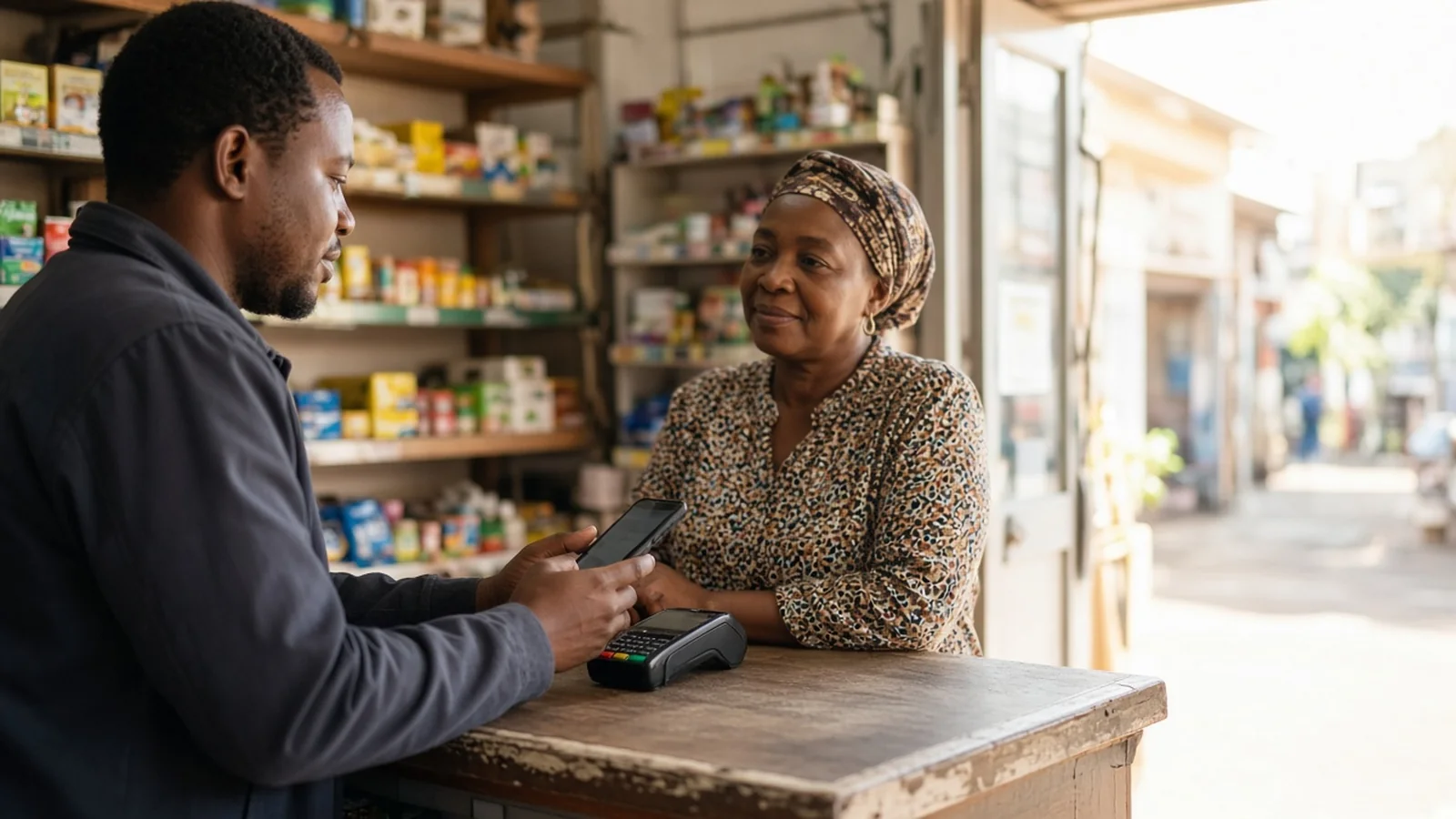
Payments are where trust is won or lost. Plan these pieces early.
- Payment gateway or an authorised payment provider.
- Identity and login checks.
- Delivery, booking or inventory systems.
- Partner API limits and failure handling.
- Transaction reconciliation and support steps.
The SARB Payments Ecosystem Modernisation Programme points to better interoperability and safer digital payments. It shows the payment system is changing. It does not mean every local business gets direct access to payment infrastructure.
Performance, monitoring and scalability
Watch these signals every day.
- API response time.
- Failed transactions.
- Service uptime.
- Error alerts.
- Backup and recovery.
- Data protection and access control.
One slow service can drag the whole app down. Monitor early, and fix fast.
Regulations and Compliance South African Businesses Should Consider
Rules build trust. They also protect you. Use this section as a checklist, and verify each point with official sources.
POPIA and personal information
Your app may handle profiles, location, payment records and user behaviour. That brings privacy duties. Think about consent, lawful use, a clear purpose, data security and data subject rights.
Payment and financial services requirements
Some apps offer payments, lending or insurance. Each service may need different permissions. The exact model and partner setup decide what applies. Not every Super App needs every licence.
Consumer protection and cybersecurity
Two more laws matter here.
- The Consumer Protection Act covers fair pricing, honest marketing, refunds and complaints.
- The Cybercrimes Act covers unlawful access and digital security.
How Much Does It Cost to Build a Super App in South Africa?
Super App development in South Africa can cost R150,000 to R1.2 million+, based on features, integrations and complexity.
| Super App type | Estimated development cost (ZAR) |
|---|---|
| Basic MVP Super App | R150,000–R300,000 |
| Mid-level Super App | R300,000–R600,000 |
| Advanced Super App | R600,000–R900,000 |
| Enterprise-level Super App | R900,000–R1.2 million+ |
Why an MVP can reduce investment risk
Building one service first does not answer the full long term cost of a Super App. But it can cut waste. You test demand before you spend big.
For a closer look at app budgets, read our guide on mobile app development cost in South Africa. Treat any quote as a starting point, and confirm scope first.
Common Mistakes Local Businesses Should Avoid When Building a Super App
A Super App can solve several customer problems, but adding too much too soon can waste money. Here are five common mistakes South African businesses should avoid, along with practical ways to fix them.
1. Launching Too Many Features at Once
Mistake: Too many features increase development costs, delay launch and make testing harder. Customers may struggle to find the service they need.
Solution: Start with an MVP built around one core service. Test customer demand, review feedback and add features when usage data supports expansion.
2. Copying Global Super Apps Without Local Research
Mistake: Global platforms may follow payment habits and customer journeys that do not match South African users or local business needs.
Solution: Study local customer behaviour, digital payment preferences and service gaps. Validate the business model with South African users before expanding.
3. Leaving Third-Party Integrations Until the End
Mistake: Poor API integration can cause failed payments, incorrect order data and service delays. These issues can damage trust and increase support costs.
Solution: Plan integrations during the architecture stage. Test third-party APIs, error handling and transaction monitoring before launching the platform.
4. Ignoring Privacy, Security and Payment Compliance
Mistake: Weak data protection, unclear permissions and insecure payment flows can expose customer information and create compliance risks under South African laws.
Solution: Build privacy controls and security testing into the MVP. Review POPIA obligations and consult a fintech app development company when the platform includes regulated financial services or complex payment features.
5. Measuring Downloads Instead of Customer Retention
Mistake: High download numbers can hide poor engagement. If users rarely return or complete transactions, the Super App may not deliver lasting business value.
Solution: Track repeat usage, retention, successful transactions, uptime and contribution margin. Use these metrics to guide product improvements and service expansion.
How to Launch, Measure and Scale a Super App
Launch with a small user group, track retention and successful transactions, then expand services based on customer feedback and data.
Start with a focused pilot
Begin small. Pick one city, one customer group, one partner group or one service type. A pilot shows what breaks while the cost of mistakes is still low.
Measure the right KPIs
| KPI | What it tells you |
|---|---|
| Activation rate | How many users finish their first useful action |
| Repeat usage | Whether customers come back |
| Transaction success rate | Whether key tasks finish without errors |
| Retention | Whether users stay active over time |
| Customer acquisition cost | What it costs to win a new customer |
| Contribution margin | Whether each service makes money |
Expand only when the first service works
Add a second service when the first one is solid. Demand, customer experience, team capacity and unit economics should all support the move. If one is weak, wait. Growth built on a shaky base falls fast.
Conclusion
So, can local businesses build their own? Yes. The rise of super apps in South Africa shows real promise. But not every business should start with a full Super App.
Begin with one focused MVP. Talk to customers. Build reliable integrations. Treat privacy and compliance as launch needs, not extras.
Your next step is simple. Look at your current customers. Pick one problem they face often. Solve it well, then grow.
FAQs About Building a Super App in South Africa
What is a Super App?
A Super App combines several services, such as shopping, payments and bookings, in one platform with a shared account.
Can a small business build a Super App in South Africa?
Yes. A small business can start with one core service and add more features as customer demand and business capacity grow.
How much does it cost to build a Super App in South Africa?
The cost depends on features, integrations and complexity. A basic MVP may cost less than a full platform with many services.
How long does it take to build a Super App?
A basic MVP may take a few months. A larger platform can take much longer, depending on features, integrations and testing.
Which features should a Super App MVP include?
Start with sign-up, login, user profiles, one core service, payments where needed, customer support and basic admin tools.
Which industries can benefit from Super Apps in South Africa?
Retail, logistics, fintech, healthcare and local marketplaces may benefit when they connect services that customers often use together.
What laws apply to Super Apps in South Africa?
POPIA may apply to personal data. Payment, financial service and consumer protection rules may also apply, depending on the services offered.
When should a business add more services to its Super App?
Add services when the core feature has repeat users, reliable operations, clear demand and workable costs.