
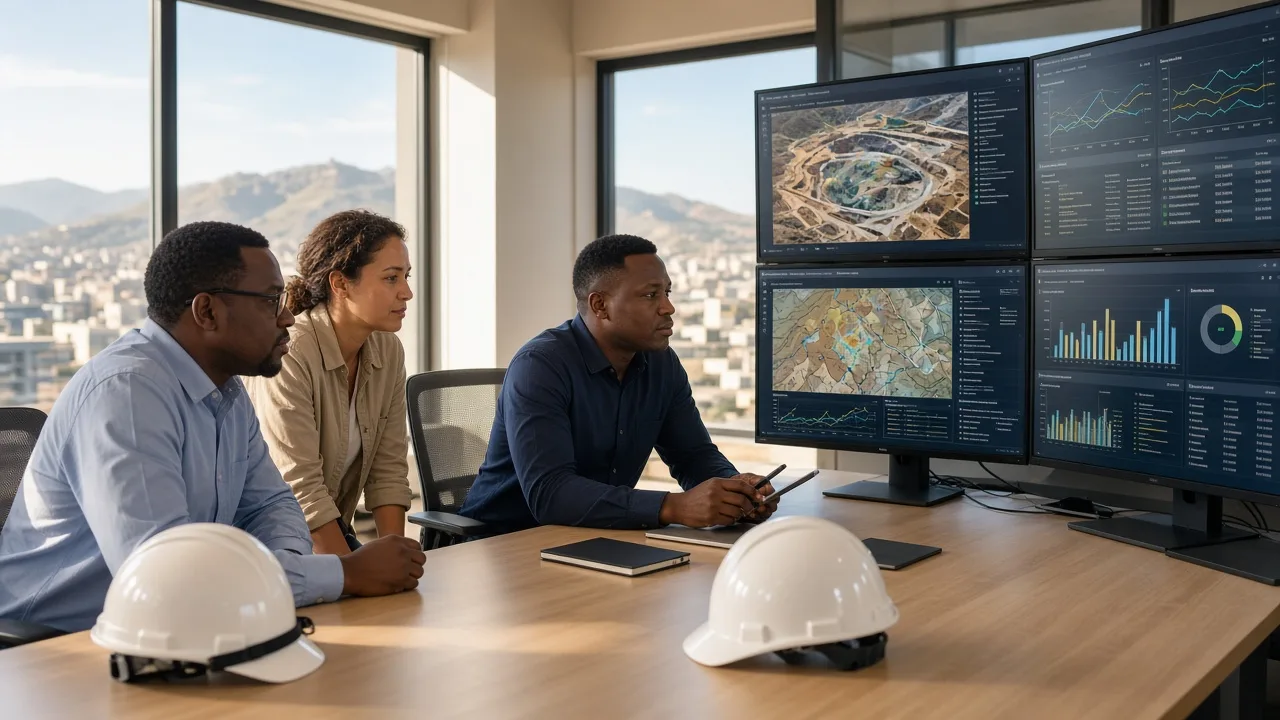
Got a mining software quote that blows your budget? You’re not alone. Costs can rise fast when you add GPS tracking, IoT sensors, safety tools, or links to existing systems.
A basic solution may cost less, while a large platform for several mine sites can demand a much bigger investment. In South Africa, mining software development costs range from ZAR 40,000 to ZAR 1 million+, depending on features, complexity, and integrations.
This guide explains the main cost drivers, hidden expenses, budget examples, and ways to control spending.

What Is the Actual Meaning of Mining Software?
Mining software is a digital tool that helps mining companies manage daily operations, track equipment, monitor production, improve worker safety, and analyze mine data. It helps South African mining businesses reduce downtime, control costs, and make better decisions.
What Are the Benefits of Mining Software Development?
Mining software helps South African mining companies improve safety, track equipment, cut operating costs, and manage daily work with better data and fewer delays.
1. Improve Mine Safety
Mining software tracks safety checks, hazards, and incidents. Real-time alerts help teams respond faster and support compliance with South Africa’s Mine Health and Safety Act.
2. Reduce Equipment Downtime
Equipment monitoring and predictive maintenance help teams spot faults early. GPS tracking and fleet management tools also reduce delays and help keep mining operations running.
3. Control Operating Costs
Mining software tracks fuel use, equipment repairs, labour, and production costs. These insights help mine managers find waste, plan budgets, and use resources more wisely.
4. Make Better Decisions With Data
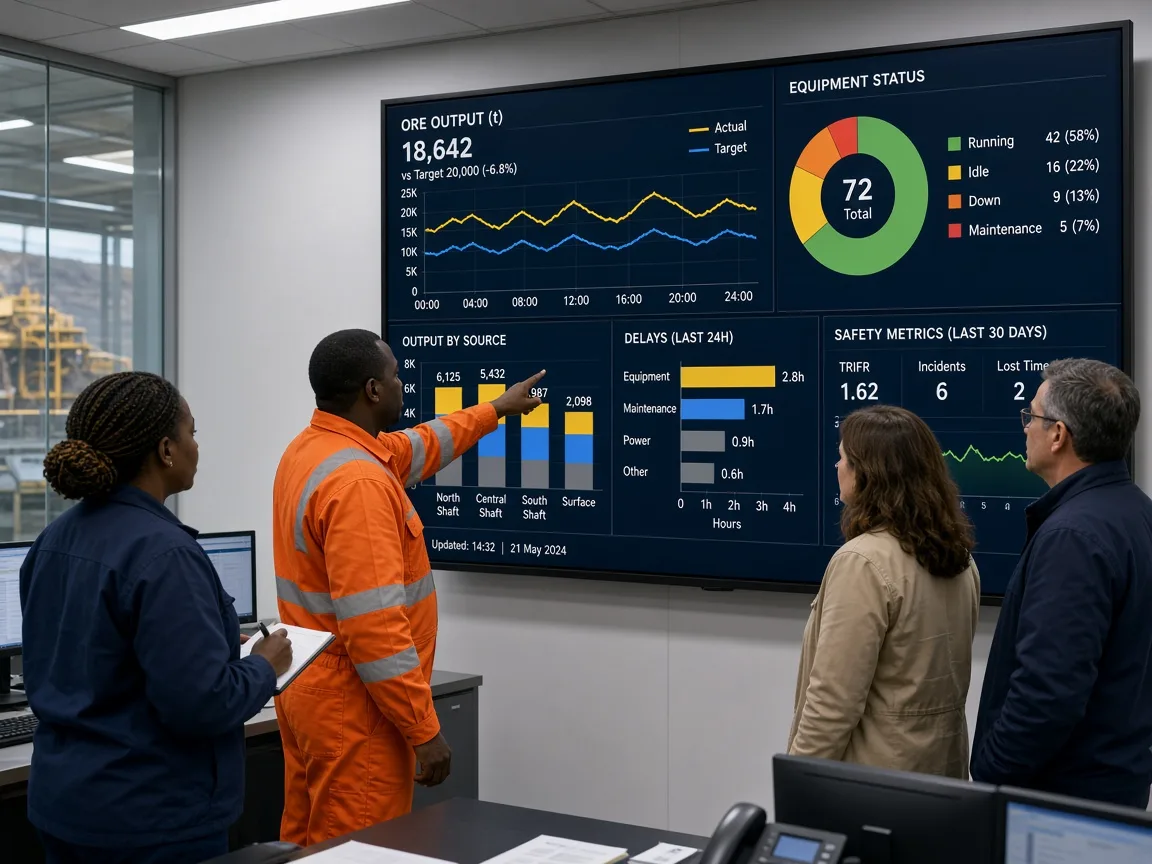
Production dashboards and reports turn mine data into clear insights. Managers can track output, monitor performance, and plan work using current, reliable information.
5. Improve Productivity and Planning
With mining software development in South Africa, companies can build tools that fit their sites and workflows. Automation, shift planning, and stock tracking help teams save time and avoid errors.
How Much Does Mining Software Development Cost in South Africa?
Mining software development in South Africa can cost ZAR 40,000 to ZAR 1 million+, based on features, integrations, and project size.
| Package | Estimated Cost | Estimated Timeline | Best For |
|---|---|---|---|
| Starter | ZAR 40K–100K | 4–8 weeks | Small mining tools and basic management systems |
| Growth | ZAR 100K–400K | 8–16 weeks | Growing mining businesses needing custom platforms |
| Enterprise | ZAR 400K–1M+ | 4–9 months | Large mining companies with complex operations |
What Type of Mining Software Are You Planning to Build?
The cost of mining software in South Africa depends on its purpose, features, and complexity. Each type solves a different problem.
| Mining Software Type | Description | Estimated Cost (ZAR) |
|---|---|---|
| Mine Management Software | Manages daily operations, work schedules, resources, and production reports. | R100K–R400K |
| Fleet Management Software | Tracks mining vehicles, GPS locations, fuel use, and equipment performance. | R80K–R300K |
| Equipment Maintenance Software | Schedules servicing, tracks faults, and helps prevent costly equipment breakdowns. | R60K–R250K |
| Mining Safety Software | Records hazards, safety checks, incidents, and compliance tasks. | R50K–R200K |
| Mining Production Software | Tracks output, shift performance, ore movement, and production targets. | R100K–R350K |
| IoT Monitoring Software | Uses sensor data to monitor machines, site conditions, and equipment health. | R150K–R500K |
| Geology and Mine Planning Software | Supports geological data analysis, resource modelling, and mine planning. | R200K–R700K |
| Inventory Management Software | Tracks spare parts, tools, stock levels, and supply orders. | R50K–R180K |
Mining Software Development Cost by Location in South Africa
Development costs vary by city, team rates, and project needs. These estimates show how location may affect your budget.
| South African city | Estimated development cost |
|---|---|
| Johannesburg | ZAR 40K–ZAR 1M+ |
| Cape Town | ZAR 60K–ZAR 950K+ |
| Pretoria | ZAR 50K–ZAR 850K+ |
| Durban | ZAR 40K–ZAR 750K+ |
| Gqeberha (Port Elizabeth) | ZAR 45K–ZAR 650K+ |
Mining Software Developer Rates in South Africa: Hourly and Project Costs
Developer rates depend on skill, experience, and project size. Freelancers may cost less, while expert teams often charge more.
Hourly Development Rates
| Developer type | Estimated hourly rate |
|---|---|
| Junior developer | ZAR 250–ZAR 450 |
| Mid-level developer | ZAR 450–ZAR 750 |
| Senior developer | ZAR 750–ZAR 1,100 |
| Expert/Technical Lead | ZAR 1,100–ZAR 1,600 |
| Freelance developer | ZAR 300–ZAR 900 |
| Freelance mining software specialist | ZAR 700–ZAR 1,400 |
Mining Software Development Cost by Technology Stack
The technology stack affects your mining software budget, as some tools need more development time, integrations, and ongoing support.
| Technology stack | Common technologies | Estimated development cost |
|---|---|---|
| Frontend development | React.js, Angular, Vue.js | Low to Medium |
| Backend development | Node.js, Python, Java, .NET | Medium to High |
| Mobile app development | Flutter, React Native, Kotlin, Swift | Medium to High |
| Database management | MySQL, PostgreSQL, MongoDB, Microsoft SQL Server | Low to Medium |
| Cloud infrastructure | AWS, Microsoft Azure, Google Cloud | Medium to High |
| IoT and device integration | MQTT, Node-RED, AWS IoT, Azure IoT Hub | High |
| Data analytics and reporting | Power BI, Tableau, Python, Apache Spark | Medium to High |
| AI and machine learning | Python, TensorFlow, PyTorch, scikit-learn | High |
| Mapping and GIS | ArcGIS, QGIS, PostGIS | Medium to High |
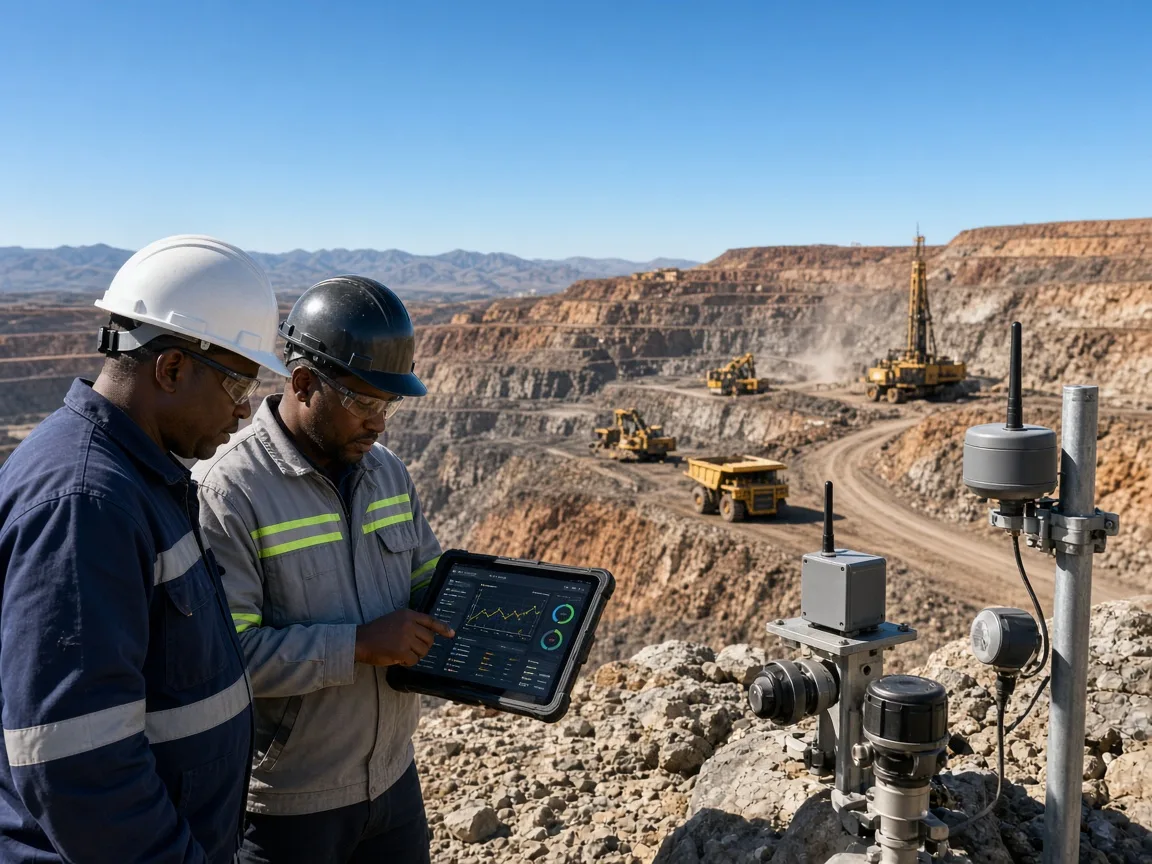
Advanced Features That Increase Mining Software Development Costs
Advanced features can make mining software more useful, but they also add development time, integration work, and testing costs.
1. Real-Time IoT Monitoring and Sensor Integration
IoT sensors track equipment temperature, pressure, vibration, and machine performance. Live data helps teams spot faults early and reduce downtime. The IoT app development cost in South Africa can rise with sensor count and system complexity.
Estimated additional cost: ZAR 50,000–250,000+
2. Predictive Maintenance With AI
AI models study equipment history, sensor readings, and breakdown patterns to predict maintenance needs. This helps mining teams plan repairs before machines fail. Costs increase with data preparation, machine learning models, and ongoing model updates.
Estimated additional cost: ZAR 80,000–300,000+
3. GPS-Based Fleet Tracking and Route Optimisation
GPS tracking shows the location of trucks, loaders, and other mining vehicles. Route optimisation can reduce fuel use, delays, and idle time. Costs depend on vehicle numbers, GPS hardware, mapping tools, and live tracking features.
Estimated additional cost: ZAR 40,000–180,000+
4. Advanced Safety Alerts and Worker Monitoring
Wearable devices and connected sensors can track worker location, restricted zones, and dangerous site conditions. The system can send alerts when it detects a safety risk. Costs depend on wearable hardware, alert rules, connectivity, and reporting needs.
Estimated additional cost: ZAR 50,000–200,000+
5. 3D Mine Mapping and Geospatial Analysis
3D mapping tools help teams view underground layouts, terrain, ore bodies, and excavation plans. GIS platforms such as ArcGIS and QGIS can support spatial analysis. Costs rise with survey data, 3D modelling, and specialist integrations.
Estimated additional cost: ZAR 100,000–400,000+
6. Advanced Analytics and Production Forecasting
Custom dashboards can combine data on ore output, equipment use, labour, fuel, and operating costs. Forecasting tools help managers compare targets with actual production. Costs depend on data sources, reporting needs, BI tools, and analytics complexity.
Estimated additional cost: ZAR 40,000–180,000+
Key Factors That Drive Mining Software Development Costs
The cost of mining software depends on its features, integrations, security needs, and the size of your mining operations.
1. Software Features and Complexity
Basic dashboards cost less than advanced systems with production tracking, fleet control, and automated reports. More features mean more development time and a higher budget.
Estimated cost impact: ZAR 40K–ZAR 300K+
2. Third-Party Integrations
Connecting mining software with ERP, CRM, accounting, and equipment systems adds development work. Custom APIs and data syncing can raise the total cost.
Estimated cost impact: ZAR 5K–ZAR 80K+
3. IoT Sensors and Real-Time Data Processing
IoT sensors track machine health, fuel use, temperature, and equipment movement. Live data processing and alerts need extra setup, which increases development costs.
Estimated cost impact: ZAR 50K–ZAR 250K+
4. Web, Mobile, and Offline Access
A web dashboard may cost less than a platform with Android and iOS apps. Offline access also needs data syncing for remote mine sites with weak internet.
Estimated cost impact: ZAR 30K–ZAR 150K+
5. Data Security and Regulatory Compliance
Role-based access, encryption, audit logs, and secure backups protect mine data. Compliance needs, including South Africa’s POPIA requirements, can add time and cost.
Estimated cost impact: ZAR 20K–ZAR 100K+
6. Custom UI/UX and User Roles
A simple dashboard needs less design work than separate screens for mine managers, engineers, operators, and safety teams. Custom reports and access rules also affect the budget.
Estimated cost impact: ZAR 5K–ZAR 20K+
7. Scalability and Cloud Infrastructure
Software built for several mine sites needs a strong cloud setup, storage, and reliable servers. AWS or Microsoft Azure services can add setup and monthly hosting costs.
Estimated cost impact: ZAR 30K–ZAR 150K+
8. Data Migration and Legacy System Support
Moving old production records, equipment logs, and employee data takes time. A mining software development company may also need to connect older systems before the new platform works smoothly.
Estimated cost impact: ZAR 20K–ZAR 120K+
9. Testing, Deployment, and Ongoing Maintenance
Software needs functional, security, and performance testing before launch. Staff training, bug fixes, updates, and technical support add to the project and long-term budget.
Estimated cost impact: ZAR 3K–ZAR 40K+
How Much Does Each Development Stage Cost?
Each stage adds to your mining software budget, from planning and design to testing, launch, and support.
| Development stage | What it includes | Estimated cost |
|---|---|---|
| 1. Discovery and Requirement Planning | Defines project goals, mine workflows, user needs, and software requirements. | ZAR 5K–15K |
| 2. UI/UX Design | Creates easy-to-use screens, dashboards, wireframes, and user journeys for mine teams. | ZAR 5K–20K |
| 3. Backend Development | Builds databases, APIs, user roles, and core systems for mining operations. | ZAR 15K–100K |
| 4. Frontend and Mobile App Development | Develops web dashboards and mobile apps for operators, managers, and field teams. | ZAR 10K–80K |
| 5. Third-Party and IoT Integration | Connects ERP systems, GPS tracking, IoT sensors, and equipment data. | ZAR 5K–80K |
| 6. Testing and Security | Checks software performance, fixes bugs, and tests data protection and access controls. | ZAR 3K–30K |
| 7. Deployment and Staff Training | Sets up cloud hosting, moves data, launches the platform, and trains employees. | ZAR 2K–20K |
| 8. Maintenance and Support | Covers software updates, bug fixes, backups, and ongoing technical support. | ZAR 3K–15K per month |
Custom Mining Software vs. Off-the-Shelf Solutions: Which Costs Less?
Both options have different costs.
| Cost factor | Custom mining software | Off-the-shelf software |
|---|---|---|
| Initial cost | High: Built from scratch for your mine’s needs. | Low: Ready-made software with a set price. |
| Setup and installation | Medium to High: Needs custom setup and configuration. | Low to Medium: Usually quicker to install and configure. |
| Custom features | High: You pay to build features for your workflows. | Medium to High: Extra features may need paid add-ons. |
| Integration costs | Medium to High: Custom APIs may be needed to connect existing systems. | Low to Medium: Depends on supported integrations. |
| Licensing fees | Low to Medium: Often no per-user licence, but hosting and support still cost extra. | Medium: Monthly or annual fees may apply per user or site. |
| Maintenance | Medium to High: Your team or developer handles updates and fixes. | Low to Medium: The vendor usually manages core updates. |
| Scalability | Medium to High: Can grow with new sites, users, and features. | Medium: Growth may require higher plans or extra licences. |
| Long-term cost | Medium to High: Higher starting cost, but more control over future changes. | Medium to High: Subscription and add-on fees can build up over time. |
Hidden Costs You Should Include in Your Mining Software Budget
The development quote is only part of the cost. Hosting, training, upgrades, and support can add to your mining software budget.
- Cloud Hosting and Server Costs — Cloud services like AWS and Microsoft Azure charge for storage, computing power, and data use. Costs can rise as more mine sites, users, and equipment connect to the platform.
- Software Licences and Third-Party Tools — Your mining platform may need paid tools for maps, GPS tracking, data analysis, reporting, or database management. Check monthly and annual licence fees before setting your budget.
- IoT Sensors and Hardware — Real-time equipment monitoring may require IoT sensors, GPS devices, scanners, and network hardware. Include purchase, installation, replacement, and repair costs in your estimate.
- Data Migration and Cleanup — Moving old production records, employee details, equipment logs, and inventory data takes time. You may also need to clean and format records before importing them into the new system.
- Staff Training and Onboarding — Mine managers, operators, engineers, and safety teams need time to learn the software. Budget for training sessions, user guides, and onboarding to reduce mistakes after launch.
- Software Updates and Feature Upgrades — Mining needs change as operations grow. New reports, user roles, integrations, and security updates may require extra development work after the first release.
- Cybersecurity and Data Backups — Security tools, access controls, encryption, audit logs, and regular backups help protect business and operational data. Include backup storage, security checks, and recovery planning in your budget.
- Technical Support and Maintenance — You may need ongoing help to fix bugs, manage server issues, and keep integrations working. Ask your developer about support hours, response times, and monthly maintenance fees.
- Internet and Network Connectivity — Remote mining sites may need stronger internet connections, routers, backup links, or private networks. These costs matter when field teams rely on live dashboards and cloud-based systems.
- Compliance and Security Reviews — Mining software may handle employee and business information covered by POPIA. Budget for privacy reviews, access checks, audit records, and advice from qualified compliance professionals.
- Custom Integrations and Future Scaling — Connecting new mine sites, ERP platforms, fleet systems, and equipment can add costs over time. An enterprise software development company can help plan integrations and system growth before they become expensive changes.
How to Reduce Mining Software Development Costs Without Cutting Corners
You can lower mining software costs with smart planning, clear goals, and the right features from day one.
- Start With the Must-Have Features — List the key needs first, such as mine tracking, safety reports, and equipment checks. Build these before adding extra features.
- Build a Simple MVP First — Start with a basic version that solves one main problem. Add tools like IoT tracking, live alerts, and data reports as your needs grow.
- Choose the Right Tech Stack — Use tools that fit your project, team, and budget. The right cloud platform, database, and framework can lower build and support costs.
- Reuse Existing Tools and Integrations — Use ready-made APIs, maps, and payment or reporting tools where they fit. This can cut custom coding without hurting software quality.
- Plan for Growth From the Start — Choose a system that can support more users, mine sites, and data later. Good planning helps avoid costly rebuilds as your operations grow.
- Compare Developers and Project Quotes — Compare skills, past mining projects, support, and delivery plans—not just prices. Review the custom software development cost in South Africa to set a fair budget and spot unclear fees.
Common Mistakes That Increase Mining Software Development Costs
Small planning mistakes can lead to extra work, longer delays, and higher mining software costs. Here are six mistakes to avoid.
-
Starting Without Clear Requirements
Mistake: Unclear project goals lead to changing features and extra development work.
Solution: List key needs, users, workflows, and reports before development starts. -
Adding Too Many Features at Once
Mistake: Building every feature at once increases coding time, testing, and project costs.
Solution: Start with core tools, such as mine tracking and safety reports. Add more later. -
Ignoring Existing System Integrations
Mistake: Missing ERP, GPS, or fleet system needs can cause costly changes later.
Solution: Plan API links and data sharing with existing mining systems early. -
Choosing the Wrong Technology Stack
Mistake: Poor tech choices can make updates, IoT links, and future growth more costly.
Solution: Pick tools that support your mine size, user needs, data, and long-term plans. -
Skipping Testing and Staff Training
Mistake: Poor testing and limited training can cause errors, delays, and low staff use.
Solution: Test key workflows and train workers before launch. Check mobile and offline access too. -
Overlooking Maintenance and Security
Mistake: Ignoring updates, backups, and access controls can lead to faults and data risks.
Solution: Budget for software support, security checks, data backups, and regular updates.
Conclusion
Mining software development cost in South Africa can range from ZAR 40,000 to over ZAR 1 million, depending on your features, tech stack, integrations, and project size. Start with the problems you need to solve.
Then plan your budget for development, testing, hardware, hosting, and support. A simple system may be enough at first.
You can add IoT monitoring, GPS tracking, and AI tools as your needs grow. The right plan helps control costs and improve mining operations. Explore our mining software development services to discuss scope, timeline, and a realistic budget.
FAQs About Mining Software Development Cost in South Africa
1. How much does mining software development cost in South Africa?
Mining software development can cost between ZAR 40,000 and ZAR 1 million+, depending on features, integrations, and project size.
2. How long does it take to develop mining software?
A basic mining system may take 4–8 weeks. Larger platforms with advanced features can take 4–9 months or longer.
3. What factors affect mining software development costs?
Features, IoT sensors, GPS tracking, system integrations, mobile access, security, and data migration all affect the final cost.
4. What type of mining software can I develop?
You can build mine management, fleet tracking, equipment maintenance, safety, production, inventory, or IoT monitoring software.
5. Is custom mining software better than off-the-shelf software?
Custom software fits your mine’s workflows and future needs. Off-the-shelf software usually costs less upfront and suits standard tasks.
6. How much do mining software developers charge per hour in South Africa?
Rates range from ZAR 250 to ZAR 1,600 per hour, depending on the developer’s experience and specialist skills.
7. What are the hidden costs of mining software development?
Hidden costs may include cloud hosting, software licences, IoT hardware, staff training, data migration, security checks, and maintenance.
8. How can I reduce mining software development costs?
Start with essential features, build an MVP, reuse existing tools, choose a suitable tech stack, and compare developer quotes.